
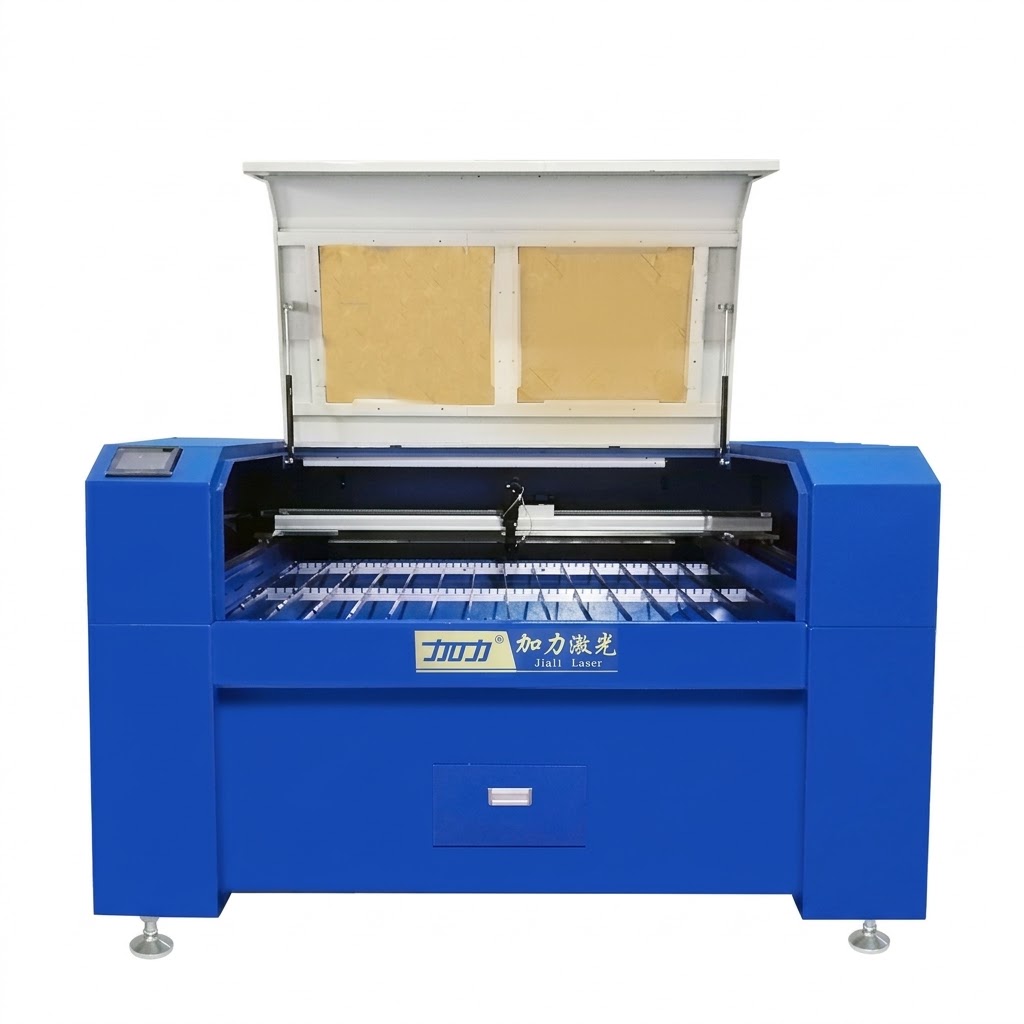
If you process acrylic sheets for signage, decorative panels, displays, or customized products, inconsistent cutting accuracy and repeated manual positioning can slow down production. An Acrylic laser cutter can help you create detailed patterns and repeatable cuts when the machine configuration matches your material thickness and production requirements. However, selecting suitable laser power, worktable dimensions, and positioning technology is essential for achieving consistent results.
The JL-1490 Module Laser Cutting Machine from Dongguan Jiali Laser Technology Co., Ltd. offers a 1400 × 900 mm worktable, multiple laser power options from 150W to 600W, and CCD automatic edge positioning. These features make it worth evaluating for acrylic-related applications and other non-metal processing tasks. Before choosing your equipment, you should confirm the required cutting thickness, edge quality, and processing speed through material testing.
What Makes the JL-1490 Acrylic Laser Cutter Worth Considering?
The JL-1490 combines configurable laser power with a servo-and-screw drive system. This configuration supports applications that require controlled movement and consistent positioning across a defined working area.
Key specifications include:
- Model: JL-1490
- Worktable: 1400 × 900 mm
- Laser power: 150W, 200W, 300W, 450W, or 600W
- Drive system: Servo motor and screw drive
- Stated cutting accuracy: ±0.05 mm
- Repeat positioning accuracy: Listed as ≤0.01 mm in the supplied specifications; confirm this value with the manufacturer
- Positioning options: CCD edge tracking and standard positioning
- Offline operation: Built-in 64 MB storage
- Power supply: 220V, 50Hz, 15A, subject to confirmation of the final electrical configuration
These specifications provide a starting point for comparing the machine with your production needs. Actual cutting performance depends on the acrylic grade, sheet thickness, laser configuration, and processing settings.
Acrylic Laser Cutting Applications and Material Compatibility
An industrial acrylic laser cutting machine can support a range of manufacturing tasks, provided its optical system and power configuration suit the material.
Signage and Display Manufacturing
Acrylic is commonly used for lettering, illuminated signs, display panels, and decorative components. If you manufacture these products, the JL-1490’s 1400 × 900 mm working area may accommodate many individual components and medium-sized sheets.
For acrylic laser cutter for signage applications, evaluate edge clarity, dimensional consistency, and the fit between assembled parts. Run sample cuts using your actual acrylic grade before committing to a production setup.
Decorative Panels and Custom Components
Manufacturers of decorative products often need intricate outlines and repeatable patterns. CCD positioning may help align printed or pre-marked workpieces, depending on the camera system and software configuration.
The machine’s advertised compatibility with various non-metallic materials also makes it worth evaluating for selected plastics and other suitable substrates. However, you should verify each material’s compatibility rather than assume that every non-metal sheet can be processed safely.
How to Choose the Right Laser Power
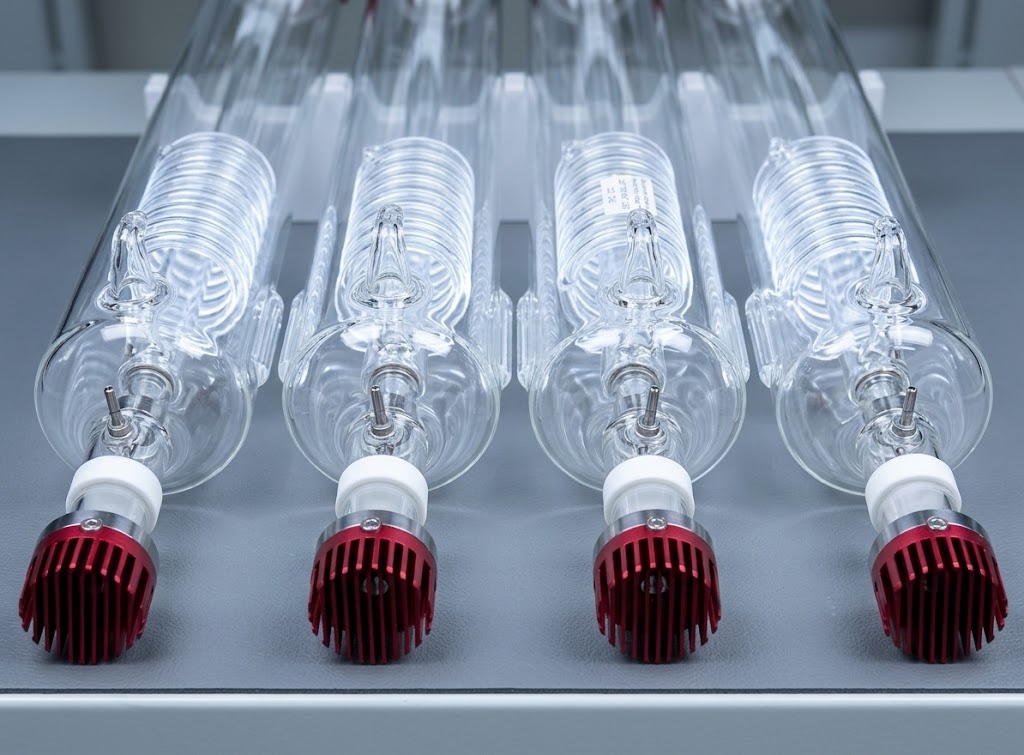
The JL-1490 offers five listed power options. Choosing the highest rating is not automatically the best decision because your material, required edge finish, and production volume all influence the appropriate configuration.
| Laser power | Evaluation focus | What you should verify |
|---|---|---|
| 150W | Lower-power configuration | Thin-sheet cutting capability and required speed |
| 200W | Alternative for lighter processing needs | Edge finish and cycle time |
| 300W | Mid-range configuration | Thickness range and production throughput |
| 450W | Higher-power configuration | Cutting consistency and thermal effects |
| 600W | Highest listed power option | Maximum practical thickness and material quality |
This table is a selection guide, not a guarantee of specific cutting capacities. Ask Jiali Laser to validate the performance of each configuration against your target acrylic thickness.
Features That Support More Consistent Production
CCD Automatic Edge Positioning
Manual alignment can introduce errors when workpieces move or printed patterns vary. The JL-1490’s CCD positioning system uses camera-based alignment and software coordination to locate workpieces and adjust the cutting path according to the configured workflow.
This feature may benefit applications involving printed graphics, shaped components, or repeated cutting tasks. Ask the supplier to demonstrate positioning accuracy using your own samples.
Servo Drive and Screw Guide Rails
The servo-and-screw drive system supports controlled machine movement. According to the product information, the machine also uses imported screw guide rails and high-precision blocks designed to reduce friction and support smooth operation.
For your evaluation, focus on movement consistency, maintenance requirements, and performance during repeated production cycles rather than relying on component descriptions alone.
Intelligent Control and Offline Operation
The control system supports USB and network communication, multilingual operation, and offline file preview. You can review the laser head’s movement trajectory before processing a file, helping you check the planned cutting path.
The stated 64 MB internal storage also supports offline work. Confirm supported file formats and compatibility with your existing design software before installation.
How to Evaluate the JL-1490 for Your Acrylic Cutting Workflow
Follow these steps before purchasing an acrylic laser cutter:
- Define your material requirements. Specify acrylic type, thickness, sheet dimensions, and expected production volume.
- Select a power configuration. Compare the available 150W–600W options against your cutting and edge-finish requirements.
- Request a sample test. Provide representative files and materials to evaluate cutting quality, dimensional accuracy, and processing time.
- Verify software and positioning. Confirm CCD functions, file compatibility, and the workflow required for your designs.
- Review installation and support. Check electrical requirements, ventilation, safety provisions, maintenance, warranty, and operator training.
These checks help you compare equipment based on measurable production needs rather than headline specifications alone.
JL-1490 vs. a Basic Laser Cutter
A basic laser cutter may suit straightforward cutting jobs with simple manual alignment. The JL-1490 adds configurable power options, CCD positioning, servo-driven movement, and offline file preview.
If your work involves repeated designs or printed acrylic components, these functions may improve workflow consistency. Nevertheless, compare actual sample results, total operating costs, and service arrangements before making a final decision.
FAQ
1. Can the JL-1490 cut acrylic sheets?
The machine is advertised for various non-metallic materials, but the supplied specifications do not explicitly confirm acrylic cutting performance. Contact Jiali Laser for material-specific test results before purchasing.
2. Which laser power should you choose for acrylic?
The JL-1490 lists 150W, 200W, 300W, 450W, and 600W options. The appropriate choice depends on sheet thickness, acrylic type, edge quality, and throughput. Request sample testing to determine the best configuration.
3. Does the JL-1490 support automatic positioning?
Yes. Its product information lists CCD automatic edge positioning alongside standard positioning. Ask the manufacturer to demonstrate how the CCD system detects workpieces and compensates for alignment variations in your application.
Conclusion
Choosing the right Acrylic laser cutter means matching machine specifications to your materials, design requirements, and production targets. The JL-1490 from Dongguan Jiali Laser Technology Co., Ltd. offers a 1400 × 900 mm worktable, 150W–600W power options, CCD positioning, and offline operation. These features provide a useful basis for evaluating the machine for signage, decorative products, and other potential non-metal processing applications. Confirm acrylic compatibility and cutting performance through sample testing before finalizing your selection.
Request a JL-1490 quotation from Jiali Laser. Share your acrylic thickness, sheet dimensions, cutting files, and expected production volume to receive a more relevant configuration recommendation and arrange a material test.
