
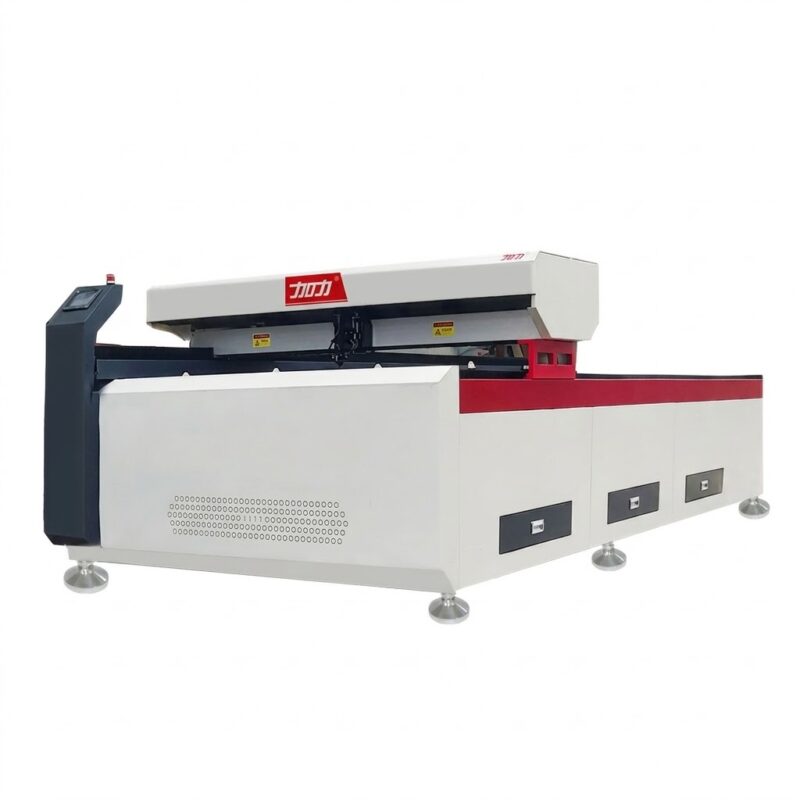
A multi-material laser cutter can help you process different non-metallic materials without relying on separate cutting machines for every job. However, choosing the right equipment requires more than comparing laser power. You also need to consider the working area, positioning accuracy, material thickness, file compatibility, and production workflow. These factors affect how efficiently you handle custom orders, intricate patterns, and repeat production tasks.
Dongguan Jiali Laser Technology Co., Ltd. offers the 1350 Laser Cutting Machine, designed for non-metallic material processing. With a 1500 × 3000 mm worktable, configurable laser power from 150W to 600W, and CCD automatic edge positioning, this machine provides features worth evaluating for packaging, advertising decoration, and other industrial applications. Understanding its specifications can help you determine whether it fits your materials and production requirements.
What Makes a Multi-Material Laser Cutter Suitable for Your Production?
When you process different materials or switch between product designs frequently, equipment flexibility becomes an important purchasing consideration. A suitable laser cutter should accommodate your material dimensions, cutting patterns, and positioning requirements.
The Jiali Laser 1350 model, listed under the model designation JL-1530 in its technical specifications, includes several features for these tasks:
- Large working area: The 1500 × 3000 mm worktable accommodates large sheets and multiple smaller parts arranged within a single cutting layout.
- Configurable laser power: Available options include 150W, 200W, 300W, 450W, and 600W.
- Precision motion system: Servo and screw-drive transmission supports controlled movement during cutting.
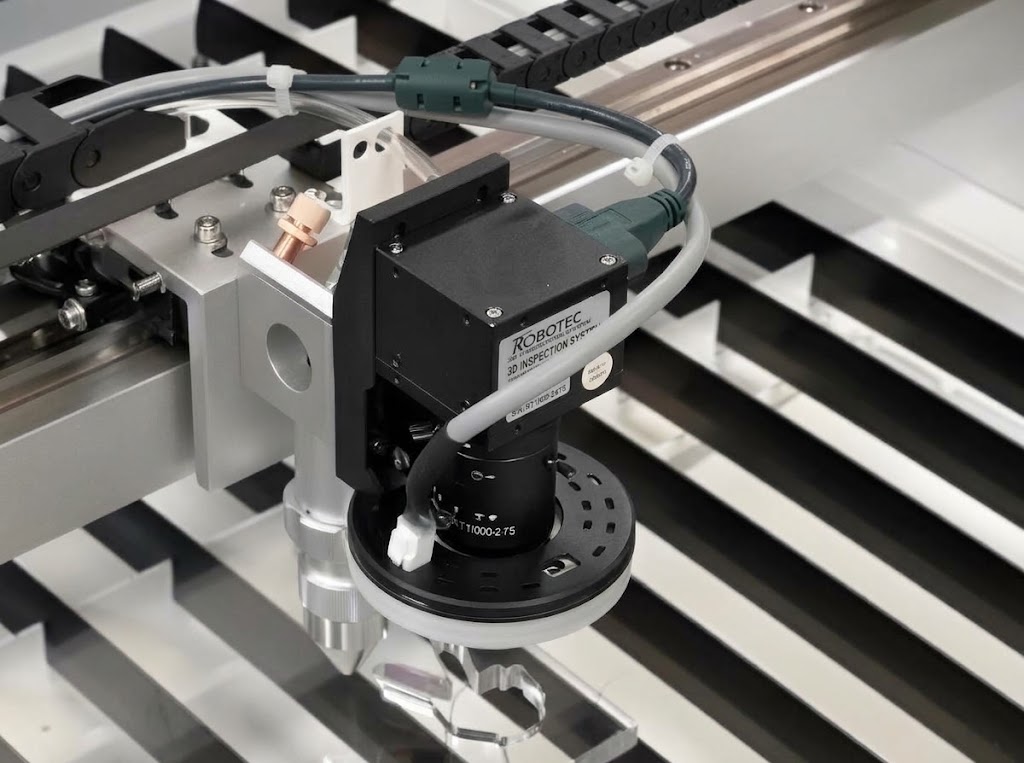
- CCD automatic edge positioning: The camera-based system identifies workpiece edges and helps compensate for positioning deviations.
- Offline operation: The machine includes 64 MB of storage and supports USB file preview and offline operation.
- Multiple file formats: Listed formats include PLT, DXF, BMP, GIF, PNG, and TIF, although you should confirm the exact supported formats with the manufacturer.
These specifications provide a starting point for evaluating the machine against your production requirements.
Applications of a Multi-Material Laser Cutter
Different industries require different combinations of cutting precision, working area, and material compatibility. Before selecting a machine, identify the materials you process most frequently and test representative samples.
Packaging and Printing
Packaging manufacturers often need to cut intricate outlines, prototypes, and customized components. Laser processing may support flexible production runs where designs change frequently. For packaging applications, confirm whether the machine suits your specific paperboard, coated stock, or flexible materials.
Advertising and Decoration
Sign makers and decoration workshops may need to produce lettering, decorative panels, and custom patterns. Acrylic and wood are potential application materials for non-metal laser cutting equipment, but actual compatibility depends on the material composition, thickness, laser source, and cutting settings.
Textile and Flexible Material Processing
For textile-related production, a large worktable can help accommodate wider material layouts. However, not every fabric behaves the same under laser processing. You should test synthetic fabrics, natural textiles, and coated materials individually to evaluate edge quality, discoloration, and thermal effects.
Custom Industrial Processing
If you handle short production runs or varied product designs, USB file transfer and offline operation can simplify certain workflows. The CCD positioning system may also help when materials contain printed outlines or irregular edges, provided the camera and software support the particular registration requirements.
Key Specifications and Comparison
The following table summarizes the published specifications and explains what they mean for your purchasing decision.
| Specification | Jiali Laser 1350 Model | Practical Consideration |
|---|---|---|
| Model designation | JL-1530 | Confirm model naming before ordering |
| Worktable | 1500 × 3000 mm | Supports larger material layouts |
| Laser power | 150W–600W | Select according to material tests |
| Drive system | Servo + screw drive | Supports controlled mechanical movement |
| Cutting accuracy | Listed as ±0.05 mm | Verify measurement conditions and actual results |
| Repeat positioning accuracy | Listed as ≤0.01 mm | Confirm test method and operating conditions |
| Cutting thickness | Listed as 0–40 mm for various non-metallic materials | Maximum thickness depends on material and configuration |
| Positioning | CCD edge patrol / common positioning | Useful for selected alignment workflows |
| Storage | 64 MB | Supports offline operation |
| Power supply | 220V ±5%, 50Hz, 15A | Verify local electrical compatibility |
| Dimensions | 4300 × 2200 × 1200 mm | Allow sufficient installation space |
The listed cutting thickness should not be interpreted as a guarantee that every supported material can be cut at 40 mm. Material composition, density, power configuration, cutting speed, and edge-quality requirements all affect achievable results.
How to Choose the Right Laser Cutter for Multiple Materials
Follow these steps before placing an equipment order.
- List your materials. Identify each material type, thickness, size, surface treatment, and expected monthly production volume.
- Define the required output. Decide whether you prioritize intricate contours, clean edges, repeatability, or processing speed.
- Select an appropriate power configuration. Compare the available 150W, 200W, 300W, 450W, and 600W options through material-specific cutting tests.
- Prepare sample files. Use representative vector designs and confirm compatibility with your existing design software.
- Request sample processing. Ask Jiali Laser to cut your actual materials and evaluate edge quality, dimensional accuracy, and cycle time.
- Check installation requirements. Confirm the machine footprint, electrical supply, ventilation, and any necessary extraction or filtration equipment.
This process helps you compare equipment based on real production needs rather than specifications alone.
FAQ
1. What materials can the Jiali Laser 1350 machine cut?
The product specifications describe cutting applications for various non-metallic materials. Acrylic, wood, and selected fabrics may be relevant candidates, but you should confirm compatibility through sample testing before production.
2. How do you choose between 150W and 600W laser power?
Your choice depends on material type, thickness, desired edge quality, and production speed. Higher power may support certain thicker or faster-cutting applications, but the best configuration should be established through material testing and manufacturer recommendations.
3. Does the machine support automatic material positioning?
The machine features CCD automatic edge positioning. Its camera and software work together to identify workpiece edges and help correct positioning deviations. Ask the manufacturer to demonstrate the function using your actual material and alignment requirements.
Conclusione
Choosing a multi-material laser cutter requires you to match machine specifications with your materials, production volume, and quality targets. The Jiali Laser 1350 Laser Cutting Machine offers a 1500 × 3000 mm worktable, 150W–600W power options, servo and screw-drive transmission, CCD positioning, and offline operation. These features make it a candidate for evaluating non-metal cutting applications in packaging, advertising decoration, and customized manufacturing. Before purchasing, verify material compatibility, achievable cutting thickness, accuracy, and the configuration that best fits your workflow.
Request a Material Cutting Test from Jiali Laser
Contatto Dongguan Jiali Laser Technology Co., Ltd. to discuss your materials, required dimensions, and production goals. Provide sample files and material specifications to request a suitable machine configuration and a cutting demonstration before making your purchasing decision.
